Recovery creates capacity
A consistent sleep rhythm and stress downshift support focus and engagement.
BRAIN-HEALTHY LIVING
Build a system of sleep, movement, learning, stress recovery, and social activity for brain-healthy living after 50.
See which daily domain—sleep, movement, learning, stress, or connection—may be your most useful starting point.

WHO IT IS FOR
For adults who want to support clarity, attention, and brain-healthy habits without frightening risk scores or disease-prevention promises.

THE REAL PROBLEM
The brain is not separate from the body. Sleep, movement, vascular-supportive habits, novelty, stress, and social connection create the brain’s daily environment.
A consistent sleep rhythm and stress downshift support focus and engagement.
Brain-healthy living includes the body, stamina, and confidence.
Novelty, connection, and purposeful challenge are easier to sustain when they matter.
THE LONGEVITY120 METHOD
Convert five brain-healthy domains into one simple daily plan and see which routines are becoming consistent.
See your pattern across sleep, movement, learning, recovery, and connection.
Begin where daily change is most realistic—not where fear is loudest.
Use short learning, novelty, movement, or social actions.
Create a personal routine that continues beyond the program.

BUILT FOR ORDINARY DAYS
A powerful system does not demand perfect motivation. It reduces friction, offers a minimum version, and makes the return visible when life interrupts the plan.
The best brain routine does not begin with a score.
More consistent brain-healthy routines, greater engagement with learning, and a clear system for everyday support.
TODAY’S 3
You do not need a day of “brain optimization.” You need a few connected actions that are realistic enough to repeat.
Choose walking or another accessible activity.
Practice a skill, explore a topic, or vary a familiar routine.
Reach out, plan a shared activity, or contribute.
INSIDE THE PROGRAM
Short education, practical actions, personal records, and a clear return protocol—organized inside one program.
Designed as a practical, low-friction part of your personalized wellness path.
Designed as a practical, low-friction part of your personalized wellness path.
Designed as a practical, low-friction part of your personalized wellness path.
Designed as a practical, low-friction part of your personalized wellness path.
Designed as a practical, low-friction part of your personalized wellness path.
Designed as a practical, low-friction part of your personalized wellness path.
YOUR PROGRAM PATH
The program builds progressively, then turns what worked into a personal maintenance system.
Build a clear baseline and identify the most useful starting point.
Create a more consistent recovery rhythm and review your own patterns.
Develop a repeatable movement rhythm and progress one variable at a time.
Choose a meaningful challenge and make it part of the week.
Practice a shorter path from overload to a deliberate next action.
Turn relationships, contribution, or challenge into a repeatable action.
Turn relationships, contribution, or challenge into a repeatable action.
Choose what to keep, define the minimum version, and build the return protocol.

PERSONAL STARTING POINT
See which daily domain—sleep, movement, learning, stress, or connection—may be your most useful starting point.
You receive one primary pillar, one seven-day experiment, and a recommended program path.
WHAT THE PROGRAM SUPPORTS
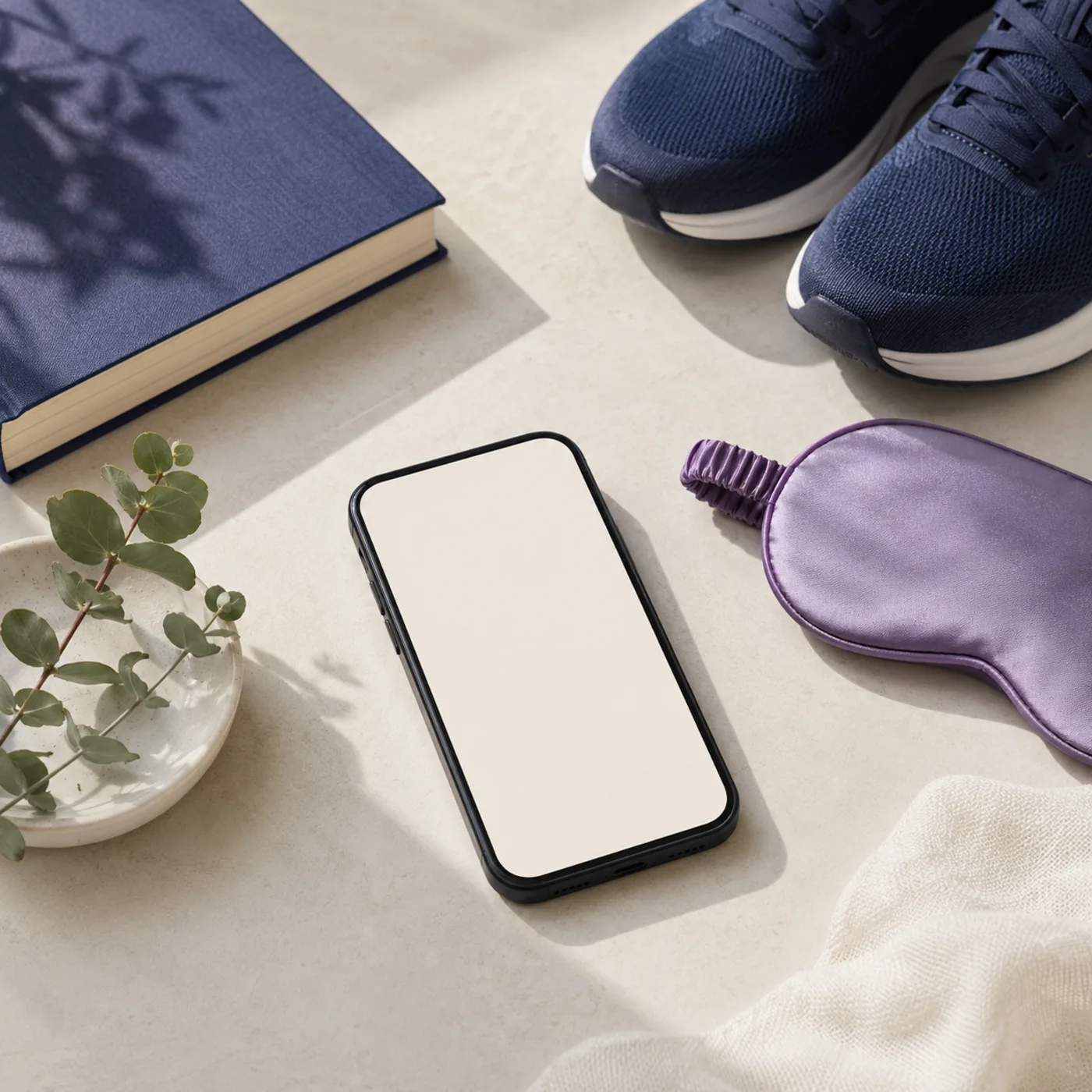
More consistent brain-healthy routines, greater engagement with learning, and a clear system for everyday support. Results vary; the program measures actions, routines, and self-recorded patterns.
See how daily brain-health pillars work together.
Choose novelty and challenge that fit your interests.
Build sleep and stress practices that support engagement.
Leave with a balanced weekly system—not a score to fear.
The program does not diagnose cognitive impairment, calculate dementia risk, or promise to prevent Alzheimer’s disease.
ONE CONNECTED PLATFORM
Add a supporting program when it solves a real barrier—without managing your health in separate apps.
FOUNDER & PROGRAM ARCHITECT
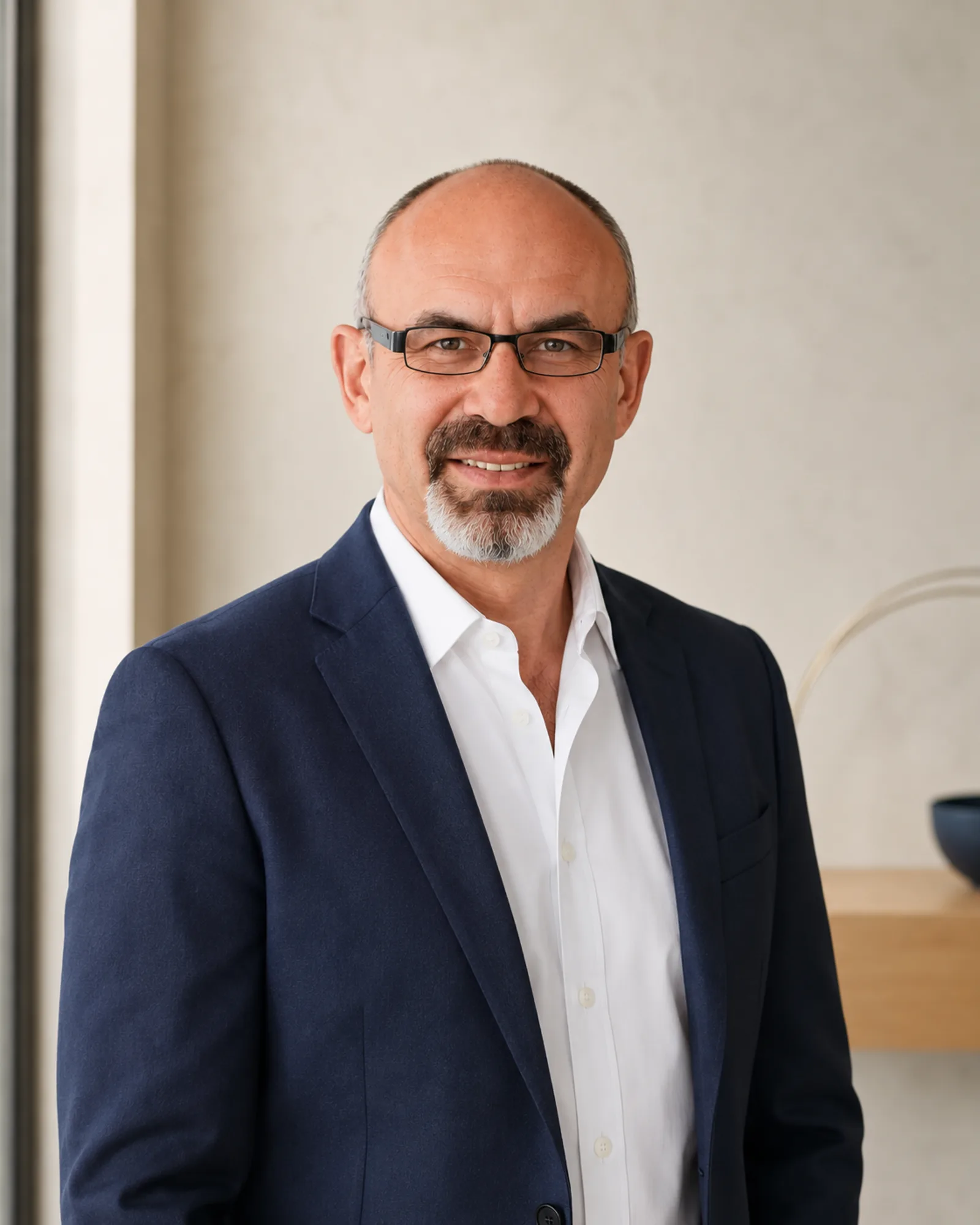
Igor Tsalenchuk, PhD, is a clinical psychologist, endocrinologist, healthy-longevity educator, and founder of Longevity120.ai.
Brain health belongs to the full daily environment—body, behavior, recovery, learning, and relationships—not one test score.
QUESTIONS, ANSWERED
Clear expectations are part of a trustworthy wellness product.
No. It is a wellness habits check, not cognitive screening.
No. It supports brain-healthy lifestyle habits without guaranteeing disease prevention.
Discuss changes with a licensed professional. The app does not assess the cause.
No. The program emphasizes meaningful learning, novelty, movement, recovery, and connection.
It may simplify some sleep or activity records, but it is not required.
It may support healthy routines, while medical care remains with licensed professionals.
YOUR NEXT STEP
Take the Brain-Healthy Habits Check and begin with the pillar that can make the next week stronger.