Stand and climb
Leg strength and confidence support common daily transitions.
STRENGTH, BALANCE & MOBILITY
Short, personalized routines for strength, balance, mobility, and confidence—at your level.
Find a functional starting point without a medical score.
WHO IT IS FOR
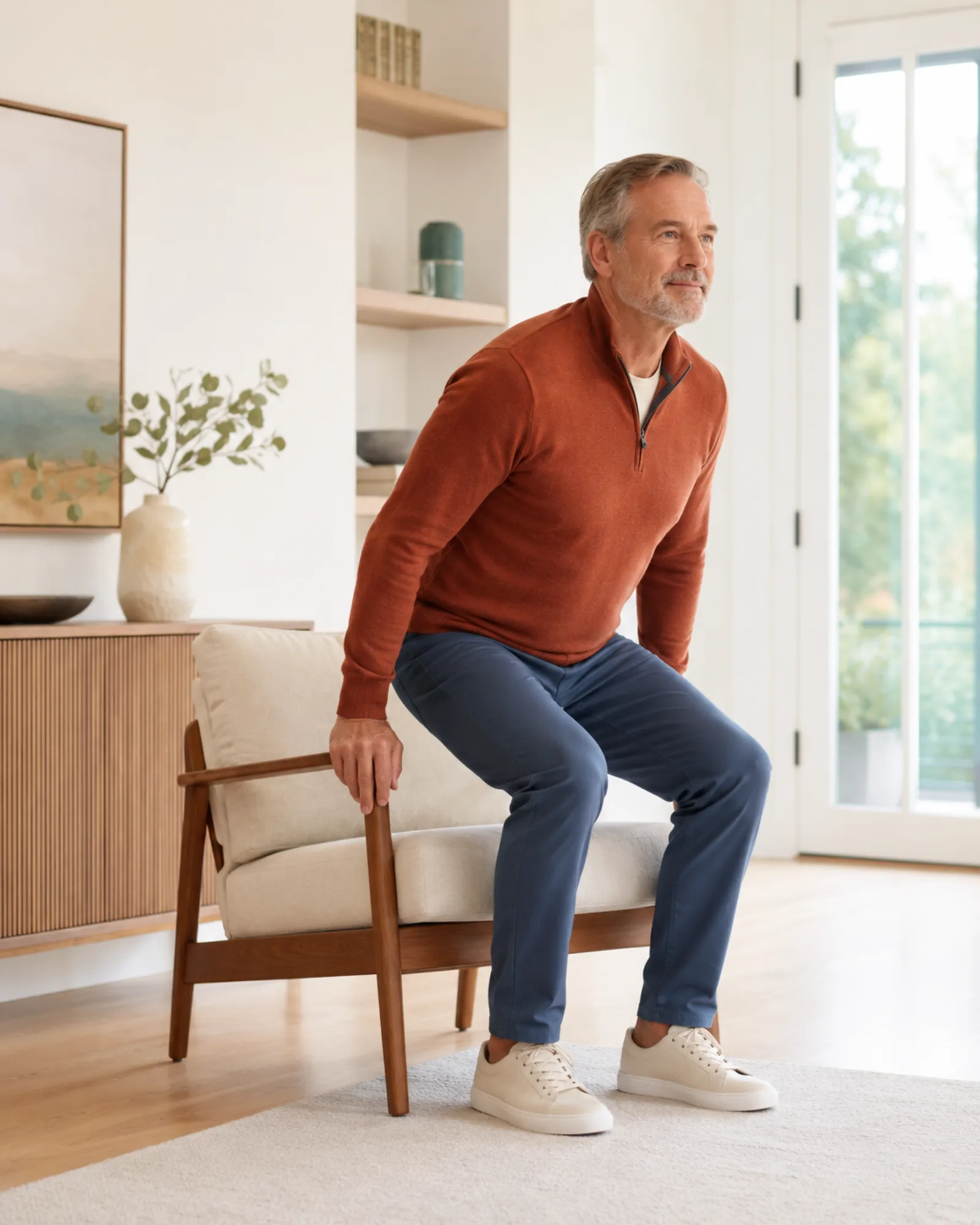
For adults 55+ who want to preserve everyday function, move with more confidence, support muscle during weight management, or return to activity.

THE REAL PROBLEM
Fitness marketing often sells appearance. After 50, a more important question is whether you can keep using stairs, traveling, standing up, carrying things, and living independently.
Leg strength and confidence support common daily transitions.
Simple, supported balance practice belongs inside a complete plan.
Strength, mobility, and walking stamina work together in real life.
THE LONGEVITY120 METHOD
Use clear levels, minimum versions, self-ratings, and gradual progression without pretending to diagnose pain or injury.
Start with an accessible version based on confidence and current routine.
Use 8–20-minute strength, balance, mobility, and walking formats.
Record your experience and follow professional guidance when one exists.
Build a maintenance plan around ordinary-life goals.

BUILT FOR ORDINARY DAYS
A powerful system does not demand perfect motivation. It reduces friction, offers a minimum version, and makes the return visible when life interrupts the plan.
Strength after 50 is not bodybuilding.
More consistency with strength and mobility actions, greater confidence in everyday movement, and a plan for preserving function.
TODAY’S 3
Connect lower-body strength, balance, and walking without a gym or extreme workout.
Use the level and setup appropriate for you.
Practice near a stable support in a clear space.
Choose a duration that fits your current ability.
INSIDE THE PROGRAM
Short education, practical actions, personal records, and a clear return protocol—organized inside one program.
Designed as a practical, low-friction part of your personalized wellness path.
Designed as a practical, low-friction part of your personalized wellness path.
Designed as a practical, low-friction part of your personalized wellness path.
Designed as a practical, low-friction part of your personalized wellness path.
Designed as a practical, low-friction part of your personalized wellness path.
Designed as a practical, low-friction part of your personalized wellness path.
YOUR PROGRAM PATH
The program builds progressively, then turns what worked into a personal maintenance system.
Build a clear baseline and identify the most useful starting point.
Add a realistic capability-focused practice at your level.
Build confidence through short, accessible movement sessions.
Build confidence through short, accessible movement sessions.
Develop a repeatable movement rhythm and progress one variable at a time.
Build confidence through short, accessible movement sessions.
Learn the core idea, complete a practical action, and review what worked.
Choose what to keep, define the minimum version, and build the return protocol.

PERSONAL STARTING POINT
Find a functional starting point without a medical score.
You receive a starting level, a minimum session, and a recommended weekly sequence.
WHAT THE PROGRAM SUPPORTS
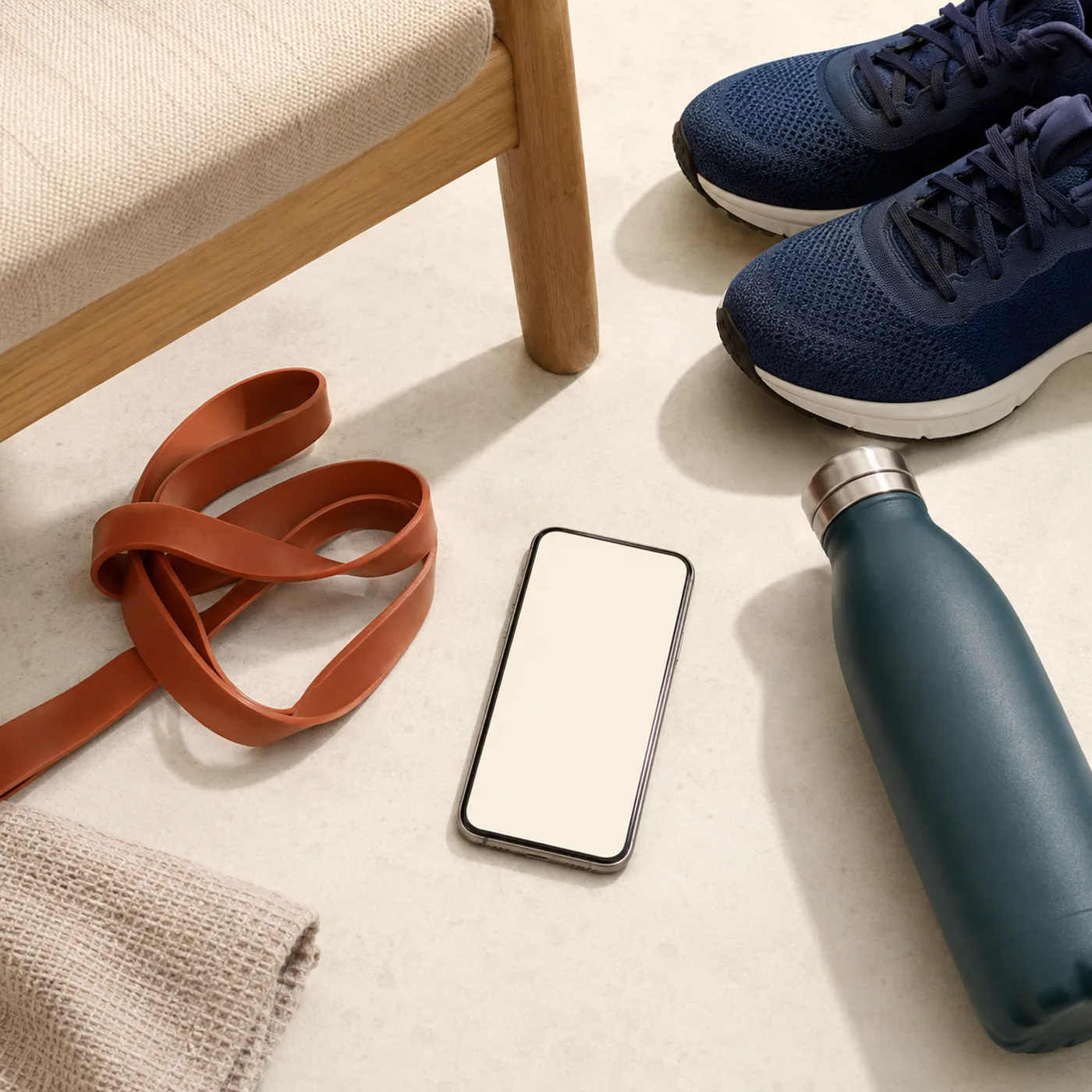
More consistency with strength and mobility actions, greater confidence in everyday movement, and a plan for preserving function. Results vary; the program measures actions, routines, and self-recorded patterns.
Turn occasional intention into a repeatable weekly practice.
Use clear levels instead of intimidating workouts.
Connect strength, balance, mobility, and walking.
Know what to do each week and how to return.
The program does not diagnose an injury, determine whether pain is safe, or replace physical therapy. Follow professional guidance if pain increases or new symptoms appear.
ONE CONNECTED PLATFORM
Add a supporting program when it solves a real barrier—without managing your health in separate apps.
FOUNDER & PROGRAM ARCHITECT
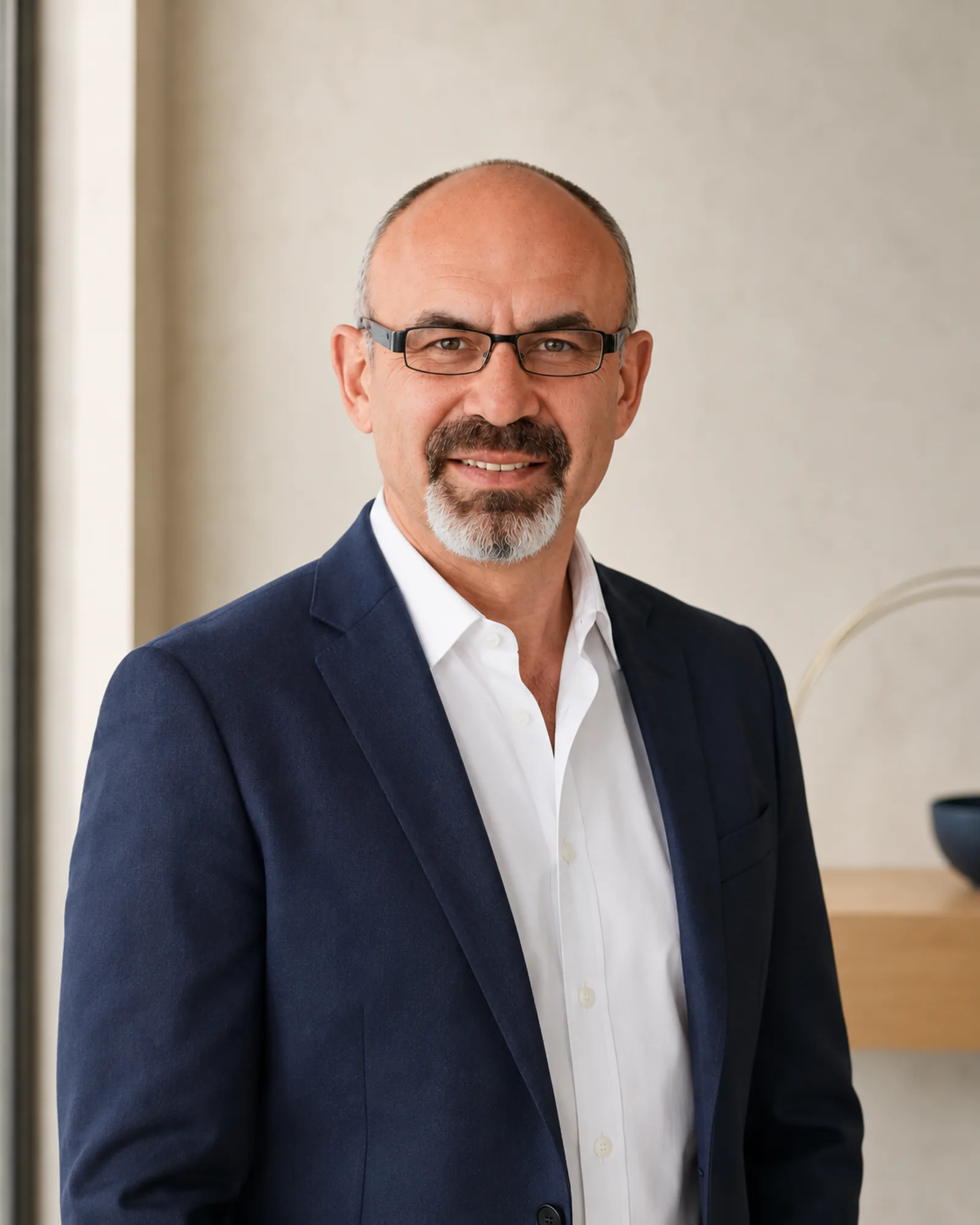
Igor Tsalenchuk, PhD, is a clinical psychologist, endocrinologist, healthy-longevity educator, and founder of Longevity120.ai.
Train for the activities that make an independent life possible, then make the program small enough to continue.
QUESTIONS, ANSWERED
Clear expectations are part of a trustworthy wellness product.
Yes. The program should include levels and minimum options.
The app does not identify the cause of pain. Use only actions appropriate for you and follow a professional plan when one exists.
The core program is designed for home with minimal equipment.
No. The consumer program does not diagnose movement, gait, injury, or range of motion from video.
Yes. The app can support reminders and adherence without changing the clinician-established plan.
Pause and follow your clinician’s instructions or seek professional advice; the app cannot determine the cause.
YOUR NEXT STEP
Take the Everyday Strength & Mobility Check and begin at a level built for consistency.